
Nichrome (Nickel-Chromium) resistance bars are essential materials used in high-temperature heating systems, including industrial furnaces, kilns, and thermal processing equipment. The alloy typically contains about 80% nickel and 20% chromium, or variations like NiCr 70/30 and NiCr 60/15 depending on temperature and corrosion resistance needs. It is known for its excellent oxidation resistance, stable resistivity, and mechanical durability even under cyclic heating conditions.
As industries move toward energy efficiency and longer service life, Nichrome alloys have become the preferred choice over conventional iron-chromium-aluminum (FeCrAl) systems when stability and thermal fatigue resistance are priorities.
Applications include:
Heating elements in ceramic and glass kilns
Furnace rods and wire-wound resistors
Mica or ceramic-supported heating systems
Industrial ovens, dryers, and radiant heaters
Electrical heating rods in laboratory and metallurgical equipment
Industry Trend:
Global demand for resistance heating alloys is expanding, driven by the growth of smart heating equipment, environmentally sustainable industrial processes, and automation in material heating control. Companies increasingly prefer alloys with consistent electrical performance and reduced maintenance costs—exactly where DZX Nichrome bars stand out.
Alloy Nomenclature Performance | 1Cr13Al4 | 0Cr25Al5 | 0Cr21Al6 | 0Cr23Al5 | 0Cr21Al4 | 0Cr21Al6Nb | 0Cr27Al7Mo2 |
Chemical Compostion (%) | Cr | 12.0-15.0 | 23.0-26.0 | 19.0-22.0 | 20.5-23.5 | 18.0-21.0 | 21.0-23.0 | 26.5-27.8 |
Al | 4.0-6.0 | 4.5-6.5 | 5.0-7.0 | 4.2-5.3 | 3.0-4.2 | 5.0-7.0 | 6.0-7.0 |
Re | Opportune | Opportune | Opportune | Opportune | Opportune | Opportune | Opportune |
Fe | Rest | Rest | Rest | Rest | Rest | Rest | Rest |
| -- | -- | -- | -- | -- | -- | -- |
Max.Continuous service temp. of element |
950 |
1250 |
1250 |
1250 |
1100 |
1350 |
1400 |
Resistivity at 20C(μΩ.m) | 1.25 | 1.42 | 1.42 | 1.35 | 1.23 | 1.45 | 1.53 |
Density(g/cm) | 7.4 | 7.1 | 7.16 | 7.25 | 7.35 | 7.1 | 7.1 |
Thermal Conductivity(KJ/m.h) |
52.7 |
46.1 |
63.2 |
60.2 |
46.9 |
46.1 |
-- |
Coefficient of lines expansion(αx10-6/℃)
| 15.4 | 16 | 14.7 | 15 | 13.5 | 16 | 16 |
Melting Point Approx(degree) | 1450 | 1500 | 1500 | 1500 | 1500 | 1510 | 1520 |
Tensile Strength(N/mm) | 580-680 | 630-780 | 630-780 | 630-780 | 600-700 | 650-800 | 680-830 |
Elongation at rupture(%) | >16 | >12 | >12 | >12 | >12 | >12 | >10 |
Variation of area(%) | 65-75 | 60-75 | 65-75 | 65-75 | 65-75 | 65-75 | 65-75 |
Repeat Bending frequency(F/R) | >5 | >5 | >5 | >5 | >5 | >5 | >5 |
Hardness(H.B.) | 200-260 | 200-260 | 200-260 | 200-260 | 200-260 | 200-260 | 200-260 |
continuous service time(Hours/ ºC) | -- | ≥80/1300 | ≥80/1300 | ≥80/1300 | ≥80/1250 | ≥80/1350 | ≥80/1350 |
Micrographic structure | Ferrite | Ferrite | Ferrite | Ferrite | Ferrite | Ferrite | Ferrite |
Magnetic properties | Magnetic | Magnetic | Magnetic | Magnetic | Magnetic | Magnetic | Magnetic |
Shape | Size (mm) |
Wire | 0.05-7.5 |
Rod | 8-50 |
Ribbon | (0.05-0.35)*(0.5-6.0) |
Strip | (0.5-2.5)*(5-180)
|
At DZX Alloy, we specialize in manufacturing Nichrome NiCr resistance bars engineered for high-performance heating applications in kilns, furnaces, and precision industrial equipment. Over the years, we’ve seen how heating element requirements have evolved—customers now demand materials that can handle high temperatures, mechanical stress, and long operating cycles without degradation.
Our Nichrome bars meet those demands perfectly. Built on decades of metallurgical expertise, every DZX NiCr bar is crafted from premium nickel and chromium alloys, providing a combination of electrical stability and corrosion resistance that remains unmatched in the industry.
Comparison Table
| Parameter | Nichrome NiCr Resistance Bar | FeCrAl Alloy Bar | Stainless Steel Heating Rod |
|---|
| Composition | Ni-Cr (70–80% Ni, 20–30% Cr) | Fe-Cr-Al | Fe-Cr-Ni |
| Max Operating Temp (°C) | 1200 | 1400 | 900 |
| Oxidation Resistance | Excellent | Good | Moderate |
| Electrical Resistivity (μΩ·m) | 1.1 – 1.5 | 1.3 – 1.4 | 0.7 – 0.9 |
| Thermal Expansion | Stable | Slightly variable | Variable |
| Strength at High Temp | Excellent | Good | Poor |
| Cost | Medium | Low | Low |
| Service Life | Long-term stable | Moderate | Shorter lifespan |
When it comes to thermal durability, the DZX NiCr resistance bar is the go-to solution for many industries: ceramics, metallurgy, glass production, and heat treatment. These sectors operate at temperatures exceeding 1000°C, where standard steels lose strength and FeCrAl materials show rapid oxidation. Nichrome, however, offers long-term performance stability, maintaining its resistivity with minimal drift.
Another area where DZX’s Nichrome stands out is surface integrity. During high-temperature operations, a stable oxide layer forms, protecting the alloy from further oxidation and extending its service life. This is especially important for open-element kilns, where atmospheric exposure can degrade lesser materials quickly.
We also focus on precision manufacturing. Each resistance bar undergoes tight control for size tolerance, uniform composition, and electrical properties. Using our advanced vacuum melting and continuous casting systems, we ensure homogeneity from core to surface, eliminating internal defects and ensuring stable operation in demanding environments.
Our bars are tested under both ASTM B267 and GOST standards—ensuring that whether our clients are in Europe, Russia, or Asia, DZX products integrate seamlessly into their heating systems.
From a business standpoint, the heating alloy industry is shifting toward smart thermal management—systems that rely on consistent electrical output and minimal maintenance. As energy costs rise globally, materials that reduce downtime and maintain efficiency have become crucial. DZX Nichrome bars help manufacturers achieve these goals by providing predictable heating profiles and extended service cycles, ultimately reducing operational costs.
Customers who switch to DZX Nichrome bars often note an improvement in heating element lifespan of up to 30%, especially in continuous furnaces and kiln systems. In addition, the high ductility of NiCr allows easy coiling, bending, or cutting into custom shapes without cracking—making it adaptable for both replacement and new designs.
Our R&D team continues to push innovation forward, developing alloys that respond to emerging industry needs—such as hybrid furnace systems, digital thermal control integration, and high-precision sintering technologies. DZX remains committed to combining metallurgical science with practical application expertise to create heating solutions that perform better, last longer, and deliver consistent efficiency.
At DZX Alloy, every product is more than just a material—it’s a result of careful engineering, global standard compliance, and long-term client collaboration. Whether for large industrial kilns or small-scale lab furnaces, our Nichrome NiCr resistance bars are designed to bring reliability and performance that stand the test of time.


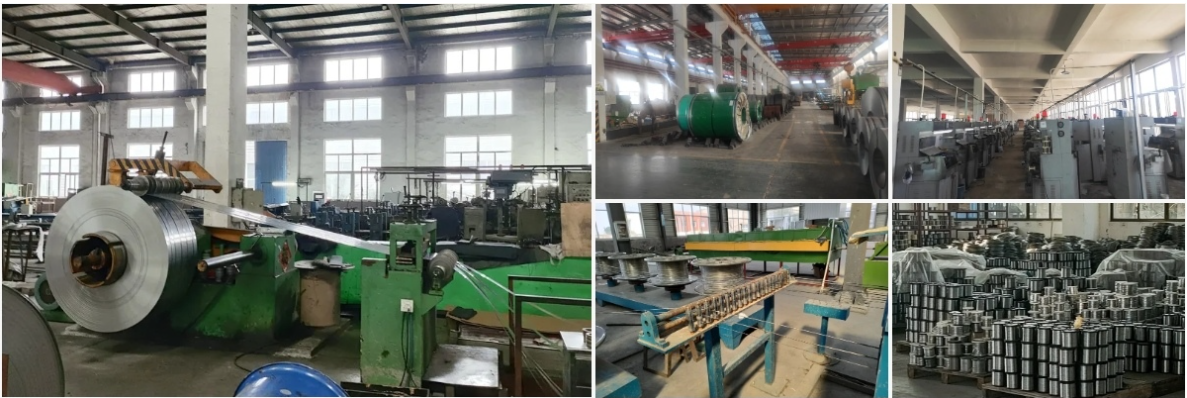
Our 12,000㎡ factory is equipped with complete capabilities for research, production, testing, and packaging. We strictly adhere to ISO 9001 standards in our production processes, with an annual output of 1,200 tons. This ensures that we meet both quantity and quality demands. Furthermore, all products undergo rigorous simulated environment testing including high temperature, high pressure, and corrosion tests before being dispatched, ensuring they meet customer specifications.For all our clients, we offer timely and multilingual after-sales support and technical consulting, helping you resolve any issues swiftly and efficiently.
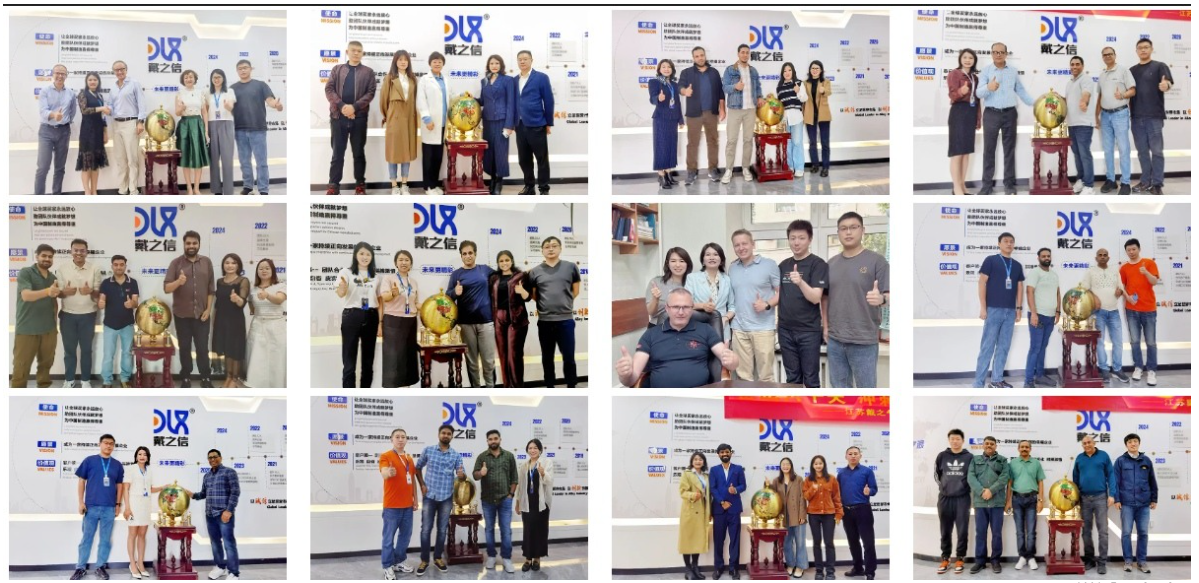
Client Visits
Building Stronger Partnerships
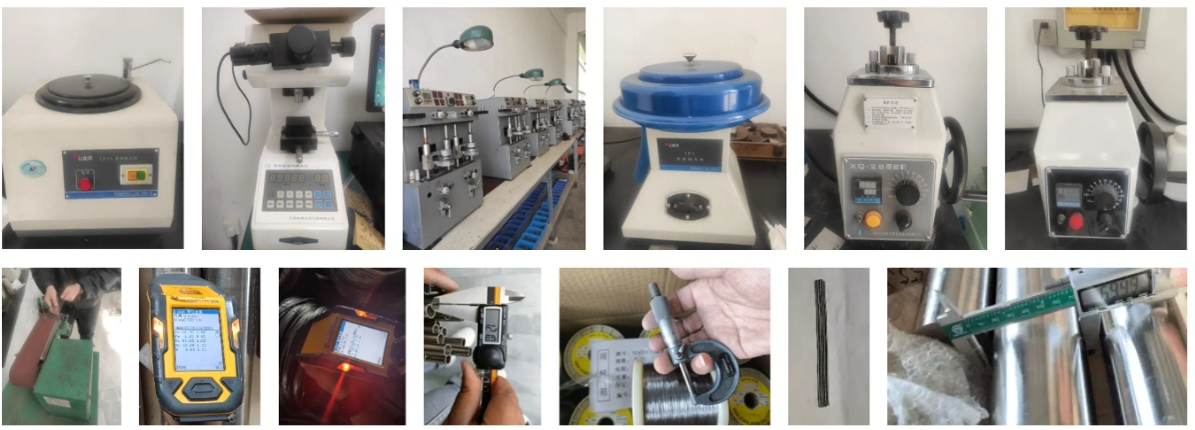
We support all kinds of testing:

1. What is a Nichrome resistance bar made of?
Nichrome bars are made of nickel and chromium, often in a ratio like 80/20 or 70/30, offering high resistivity and corrosion resistance.
2. Why is Nichrome used in furnaces and kilns?
Because it maintains stable resistance and strength even at continuous temperatures around 1100–1200°C.
3. Can Nichrome bars be machined or welded?
Yes. They can be machined using standard methods, and TIG welding is commonly used for joining sections.
4. How does DZX ensure quality consistency?
Every batch undergoes electrical resistivity, tensile, and oxidation resistance testing according to ASTM B267 and GOST standards.
5. Are Nichrome bars suitable for continuous heating systems?
Yes. They are designed for long-term use in continuous cycle systems without significant performance loss.
6. What shapes or forms can DZX provide?
DZX offers Nichrome in bar, wire, ribbon, and strip forms, customized according to heating element design.
7. What is the difference between NiCr 80/20 and NiCr 70/30?
NiCr 80/20 has slightly higher oxidation resistance, while NiCr 70/30 provides better mechanical strength at high temperature.
8. Does DZX provide certification and testing reports?
Absolutely. Each product is delivered with complete material composition and performance certificates for quality assurance.


